
Traditional and Alternative Medicine: Timeless Paths to Holistic Wellbeing
Discover the transformative practices of traditional and alternative medicine, including Ayurveda, Traditional Chinese Medicine (TCM), Homeopathy, and Anthroposophic Medicine. Explore how these holistic systems promote healing, balance, and personal growth while complementing modern healthcare approaches.
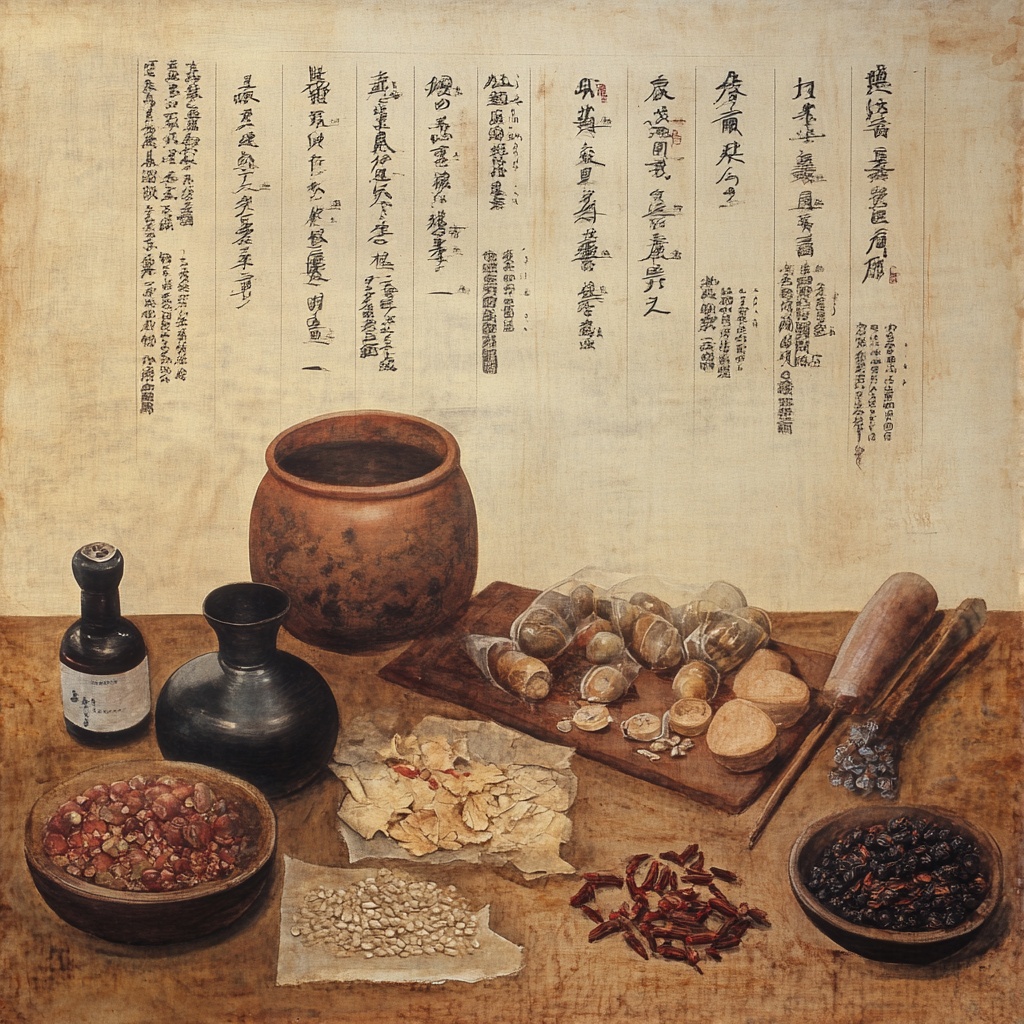


Traditional and alternative medicine has long offered diverse approaches to health and healing, focusing on the integration of mind, body, and spirit. These systems, rooted in ancient wisdom and holistic principles, provide valuable alternatives or complements to modern medical practices. At Luminate, we embrace these time-tested methods, recognizing their potential to empower individuals on their wellness journey. This article explores some of the most prominent examples of traditional and alternative medicine: Ayurveda, Traditional Chinese Medicine (TCM), Homeopathy, and Anthroposophic Medicine.
Ayurveda: The Science of Life
Originating in India over 3,000 years ago, Ayurveda is one of the world’s oldest medical systems. The term “Ayurveda” translates to the “science of life,” emphasizing balance among the mind, body, and spirit as the key to health.
Key Principles:
• Doshas: Ayurveda identifies three primary energies or doshas—Vata (air and space), Pitta (fire and water), and Kapha (earth and water)—that influence physical and mental wellbeing.
• Personalized Treatments: Treatments are tailored to an individual’s unique dosha balance, including diet, herbal remedies, yoga, and meditation.
• Prevention Focus: Ayurveda prioritizes lifestyle practices that maintain balance and prevent illness.
Ayurveda remains widely practiced today, offering solutions for chronic conditions, stress management, and overall health. Its holistic approach continues to resonate with modern audiences seeking natural, personalized care.
Traditional Chinese Medicine (TCM): Harmony with Nature
Traditional Chinese Medicine (TCM) is a comprehensive medical system that has been practiced in China for thousands of years. It is deeply rooted in the principles of balance, harmony, and the flow of life energy, known as Qi.
Key Practices:
• Acupuncture: Stimulates specific points on the body to balance energy flow and address ailments.
• Herbal Medicine: Uses natural herbs to restore balance and strengthen the body’s systems.
• Qigong and Tai Chi: Movement-based practices that promote energy flow, mindfulness, and physical health.
• Yin and Yang: The dual forces representing balance and harmony in the body.
TCM’s focus on treating the root cause rather than symptoms makes it a compelling option for chronic conditions and preventative care. Its integration into modern wellness practices highlights its enduring relevance.
Homeopathy: Like Cures Like
Founded in the late 18th century by Samuel Hahnemann, Homeopathy is based on the principle that “like cures like.” It uses highly diluted substances to stimulate the body’s natural healing processes.
Key Principles:
• Individualized Treatment: Homeopathy considers a person’s physical, emotional, and psychological state when prescribing remedies.
• Dilution and Potentization: Remedies are prepared through repeated dilution and shaking, believed to enhance their healing properties.
• Holistic View: The system treats the individual, not just the symptoms, aiming for overall balance.
Homeopathy is widely used for conditions like allergies, migraines, and stress-related disorders. Its gentle, non-invasive nature appeals to those seeking natural, personalized healthcare.
Anthroposophic Medicine: Integrating Science and Spirit
Developed by Rudolf Steiner in the early 20th century, Anthroposophic Medicine combines modern medical science with a spiritual understanding of the human being. It views illness as an opportunity for growth and transformation.
Key Practices:
• Holistic Approach: Treats the body, soul, and spirit as interconnected.
• Natural Remedies: Uses plant-based medicines and therapies like art therapy, eurythmy (movement therapy), and rhythmical massage.
• Collaboration with Conventional Medicine: Often used alongside modern treatments, especially in cancer care and chronic illnesses.
Anthroposophic Medicine emphasizes the patient’s active role in their healing journey, focusing on strengthening the body’s inherent healing capabilities.
Why Explore Traditional and Alternative Medicine?
Traditional and alternative medicine systems provide unique perspectives on health and healing, offering approaches that complement modern medicine. These systems share common principles:
• Holistic Focus: Addressing the whole person, not just the symptoms.
• Personalized Care: Tailored treatments based on individual needs.
• Natural Methods: Emphasizing the use of natural remedies and lifestyle adjustments.
As interest in integrative healthcare grows, these systems play a crucial role in empowering individuals to take charge of their wellbeing.
Embracing Holistic Wellness with Luminate
At Luminate, we honor the wisdom of traditional and alternative medicine, recognising their transformative potential for holistic wellbeing. Whether you’re drawn to Ayurveda’s balance, TCM’s harmony, Homeopathy’s gentle remedies, or Anthroposophic Medicine’s integrative approach, our platform connects you to diverse pathways for healing and personal growth.
Start your journey with Luminate and discover how these timeless practices can illuminate your path to health and vitality.