Shamanic and Indigenous Practices: Ancient Pathways to Healing and Connection
Explore the ancient world of shamanic and indigenous practices, including Shamanic Journeying, Plant Medicine, Sacred Dance, and Ecstatic Rituals. Discover their cultural origins, philosophies, and how these transformative traditions foster healing, spiritual growth, and connection to nature.


Shamanic and indigenous practices are among the oldest known forms of spiritual and healing traditions. Rooted in the profound wisdom of diverse cultures worldwide, these practices honor the interconnectedness of all life and the sacredness of the natural world. At Luminate, we celebrate the transformative power of these traditions, offering insight into their origins, philosophies, and methods.
This article explores four prominent shamanic and indigenous practices—Shamanic Journeying, Plant Medicine, Sacred Dance & Movement, and Ecstatic Rituals—and their profound contributions to holistic wellbeing.
The Philosophy Behind Shamanic and Indigenous Practices
Shamanic and indigenous traditions view the world as a web of interconnected energies, where the spiritual and material realms are inseparable. Key beliefs include:
• Animism: The belief that all elements of nature, including plants, animals, and even objects, have a spirit or consciousness.
• Healing Through Connection: Health is achieved by aligning with the natural world and restoring balance between body, mind, spirit, and the environment.
• Direct Experience: These practices often involve personal, transformative experiences that connect individuals to higher states of awareness and the wisdom of their ancestors.
1. Shamanic Journeying
Origin: Practiced globally, Shamanic Journeying is central to many indigenous cultures, including the Siberian, Native American, and Mongolian traditions.
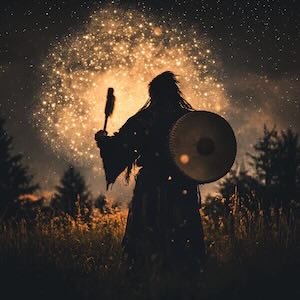
Beliefs: Shamanic journeying is a meditative process in which the practitioner enters a trance state to travel to non-ordinary realities. This journey allows them to connect with spirit guides, power animals, and ancestral wisdom.
Practice:
• The journey often involves rhythmic drumming or chanting to alter consciousness.
• Shamans or practitioners seek guidance, healing, or answers to life’s questions through their spiritual travels.
Benefits: Shamanic journeying promotes clarity, emotional release, and spiritual growth, helping individuals reconnect with their inner selves and the larger universe.
2. Plant Medicine
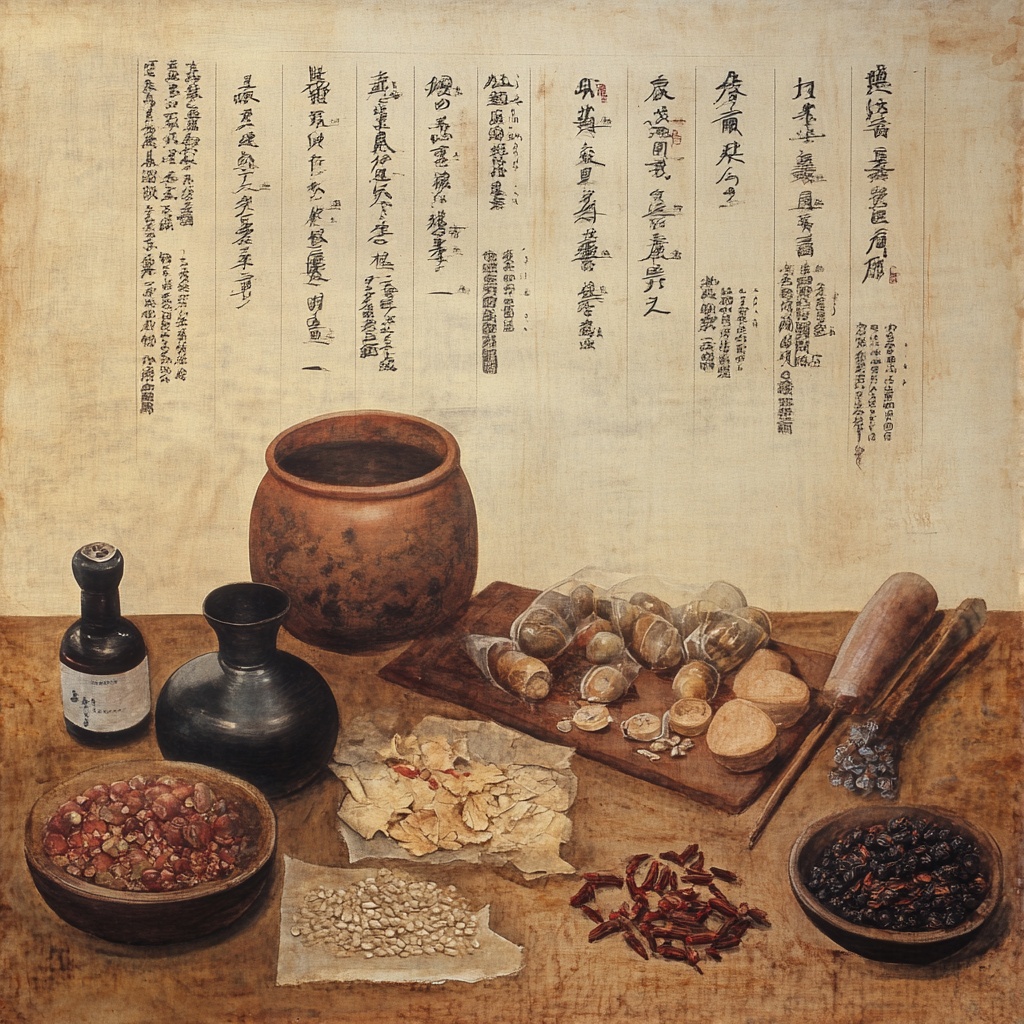
Origin: Plant medicine has been used for millennia by cultures in South America (e.g., Ayahuasca in the Amazon), Africa (e.g., Iboga in Gabon), and North America (e.g., Peyote by Native American tribes).
Beliefs: Plant medicine involves the use of psychoactive plants in sacred rituals to facilitate healing and spiritual insight. These plants are considered sacred teachers that reveal hidden truths and help individuals release traumas.
Practice:
• Ceremonial consumption of plant medicines is often guided by experienced shamans.
• Rituals include prayers, chanting, and other traditional practices to honor the plant’s spirit.
Benefits: Plant medicine rituals are known for their ability to foster emotional healing, personal transformation, and a deep connection to nature and the divine.
3. Sacred Dance & Movement
Origin: Sacred dance and movement are integral to cultures worldwide, including African tribal dances, Native Hawaiian Hula, and Australian Aboriginal ceremonies.
Beliefs: Movement is seen as a form of prayer and a way to connect with the divine. It channels energy, tells stories, and creates a bridge between the physical and spiritual worlds.
Practice:
• Movements are often synchronized with music, drumming, or chanting.
• Dances vary by culture and purpose, such as healing, initiation, or celebration.
Benefits: Sacred dance promotes emotional release, physical vitality, and spiritual connection. It is also a communal practice that strengthens bonds and shared purpose.
4. Ecstatic Rituals
Origin: Ecstatic rituals are found in many cultures, such as Sufi whirling in the Middle East, the San Bushmen trance dances in Africa, and the Balinese Kecak fire dance in Indonesia.
Beliefs: These rituals aim to achieve ecstatic states of consciousness where individuals transcend the ordinary self and connect with higher spiritual realms or communal energies.
Practice:
• Rituals often involve repetitive movements, rhythmic music, chanting, or fasting to induce trance states.
• Participants surrender to the rhythm, allowing them to experience unity with the divine or their community.
Benefits: Ecstatic rituals foster deep spiritual connection, release of pent-up emotions, and communal harmony. They also create transformative experiences that inspire personal and collective growth.
The Shared Wisdom of Shamanic and Indigenous Practices
Despite cultural differences, shamanic and indigenous traditions share common themes:
1. Connection to Nature: Reverence for the earth as a living entity and a source of healing.
2. Community and Ritual: Practices often involve collective participation, strengthening bonds and shared purpose.
3. Transformative Healing: These practices address emotional, spiritual, and physical imbalances, promoting holistic wellbeing.
Why Explore Shamanic and Indigenous Practices?
Shamanic and indigenous traditions offer timeless wisdom for navigating the complexities of modern life. They empower individuals to reconnect with nature, explore deeper dimensions of consciousness, and embrace the healing power of ritual and community.
Discover Shamanic Practices with Luminate
At Luminate, we honor the wisdom of shamanic and indigenous traditions. Our platform connects you to resources and practitioners specializing in shamanic journeying, plant medicine ceremonies, sacred dance, and other transformative rituals.
Illuminate your path with these ancient practices, and discover the profound healing and connection they offer.
☯