Integrative Spiritual Tools: Tarot, Scrying, and Other Divination Practices
Explore the transformative world of divination with practices like Tarot, Scrying, Astrology, and Runes. Discover their origins, philosophies, and how these tools offer insight, clarity, and spiritual growth for modern seekers.
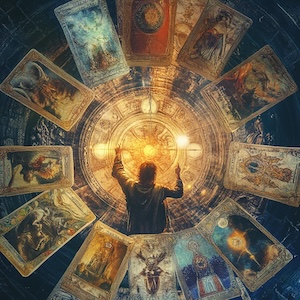


Divination is a time-honored practice of seeking insight, guidance, and clarity by connecting with the subconscious mind and the spiritual realms. Across cultures and centuries, people have turned to divination tools and techniques to navigate life’s challenges, uncover hidden truths, and gain a deeper understanding of themselves and the universe.
At Luminate, we celebrate the transformative potential of divination, offering a deeper look into popular practices like Tarot, Scrying, and other widely used methods, such as Astrology, Runes, and Pendulum Divination.
The Philosophy of Divination
At its core, divination is based on the belief that the universe is interconnected and that symbols, patterns, and intuition can provide meaningful insights into a person’s life. Key principles include:
• Connection to Higher Wisdom: Divination tools act as conduits for universal wisdom or spiritual guidance.
• Empowerment Through Insight: Divination is not about predicting the future but offering clarity and choices to empower personal decision-making.
• Personal Reflection: The practice encourages deep self-awareness and alignment with one’s values and goals.
1. Tarot: The Archetypal Mirror
Origins: Tarot emerged in 15th-century Europe as a card game and later evolved into a divination tool in the 18th century. Its rich symbolism is deeply connected to universal archetypes and the human psyche.
Practice:
• Tarot decks consist of 78 cards, divided into the Major Arcana (symbolizing significant life lessons) and Minor Arcana (representing everyday situations).
• Practitioners arrange cards in spreads and interpret their meanings based on their position, symbolism, and context.
Benefits: Tarot is a powerful tool for self-reflection, exploring personal challenges, and gaining clarity in decision-making. Its ability to connect with archetypal energies makes it a transformative practice for many.
2. Scrying: Gazing into the Mystical
Origins: Scrying has ancient roots in cultures such as ancient Egypt, Greece, and Indigenous traditions. It involves gazing into a reflective or translucent surface to receive visions, symbols, or impressions.
Practice:
• Common tools include crystal balls, water, mirrors, or even flames.
• The practitioner enters a meditative state and allows their intuition to interpret the symbols or images that arise.
Benefits: Scrying enhances intuition, fosters a deeper connection to the subconscious mind, and provides insight into personal challenges or spiritual questions.
3. Runes: Ancient Symbols of Wisdom
Origins: Runes are a set of symbols used by ancient Germanic and Norse cultures for writing, divination, and magic. They are carved on stones, wood, or other materials and are believed to carry spiritual and mystical significance.
Practice:
• Runes are typically drawn randomly and interpreted based on their position and the question at hand.
• Each rune has a unique meaning, often connected to concepts like protection, transformation, or abundance.
Benefits: Rune casting provides guidance, helps uncover hidden influences, and promotes introspection, making it a versatile tool for personal and spiritual growth.
4. Pendulum Divination: Answers Through Energy
Origins: Pendulum divination has been used in various cultures for centuries to connect with the subconscious mind and spiritual realms.
Practice:
• A pendulum, often a crystal or metal weight on a string, is held steady and allowed to swing freely in response to questions.
• Movements (e.g., circular or linear) are interpreted as “yes,” “no,” or “uncertain” answers.
Benefits: Pendulum divination is simple yet effective for decision-making, energy clearing, and gaining clarity on specific questions.
Other Popular Divination Practices
• I Ching: Originating in ancient China, this method uses hexagrams derived from coin tosses to offer philosophical insights and guidance.
• Numerology: Explores the spiritual significance of numbers, often used to uncover life paths, personality traits, and future potential.
• Bibliomancy: The practice of seeking guidance by randomly opening a sacred or meaningful book and interpreting the text found.
The Role of Divination in Modern Life
Modern seekers turn to divination not as a deterministic tool but as a way to connect with their inner selves, uncover patterns, and align with their higher purpose. These tools are increasingly integrated into:
• Therapeutic Practices: Supporting emotional clarity and personal growth.
• Spiritual Journeys: Enhancing meditation, mindfulness, and ritual practices.
• Everyday Decision-Making: Offering clarity in uncertain situations.
Why Explore Divination Tools?
Integrative spiritual tools like Tarot, Scrying, and Astrology offer profound ways to gain clarity, navigate life’s complexities, and deepen self-awareness. They serve as mirrors to our inner truths, empowering us to align with our highest potential.
Discover Divination with Luminate
At Luminate, we honor the transformative power of divination. Whether you’re drawn to the symbolic richness of Tarot, the intuitive depth of Scrying, or the cosmic insights of Astrology, our platform connects you with resources and practitioners to guide your journey.
Illuminate your path to clarity, empowerment, and spiritual growth with these timeless tools.